
Can’t Meditate? This Proven Method Works Instead.
The Real Reason You Can't Meditate (And a Stress Relief Technique That Actually Works Instead)
I'll be straight with you, meditation is not my thing.
There, I said it. As someone who's supposed to be all zen and centred, admitting that felt like confessing to eating ice cream for breakfast. But after working with stressed-out clients for years, I've learned something crucial: you're not broken if you can't or don't meditate.
Your mind isn't defective. You don't lack willpower. And you definitely don't need another app telling you to "just breathe."
Why Your Brain Fights When You Meditate (It's Not Your Fault)
Last week, Emma came to my studio practically in tears. "I've tried everything," she said. "Headspace, Calm, even that expensive course. I sit there, and my brain just goes mental. Then I feel worse because I can't even do the one thing everyone says will help."
Sound familiar?
Here's what nobody tells you: if you're dealing with chronic stress, anxiety, or trauma, your nervous system is stuck in overdrive. Asking it to suddenly "be still" is like telling a smoke alarm to quiet down while the house is on fire.
Your brain is doing exactly what it's supposed to do—protect you. It just doesn't know how to turn off.
The Real Reason You Can't Meditate (And What Actually Works Instead)
There, I said it. As someone who's supposed to be all zen and centred, admitting that felt like confessing to eating ice cream for breakfast. But after working with stressed-out clients for years, I've learned something crucial: you're not broken if you can't meditate.
Your mind isn't defective. You don't lack willpower. And you definitely don't need another app telling you to "just breathe."
Why Your Brain Interupts Meditation (It's Not Your Fault)
Last week, Emma contacted me in tears. "I've tried everything," she said. "Headspace, Calm, even that expensive course. I sit there, and my brain just goes mental. Then I feel worse because I can't even do the one thing everyone says will help."
Sound familiar?
Here's what nobody tells you: if you're dealing with chronic stress, anxiety, or trauma, your nervous system is stuck in overdrive. Asking it to suddenly "be still" is like telling a smoke alarm to quiet down while the house is on fire.
Your brain is doing exactly what it's supposed to do: protect you. It just doesn't know how to turn off.
What I've Learned from Watching Hundreds of People Struggle
After years of working with clients, I started noticing a pattern. The people who were most stressed, most overwhelmed, most in need of relief, they were also the ones who felt like complete failures when they tried to meditate.
They'd come to me apologising. "I know I should meditate, but I just can't do it." As if there was something wrong with them.
That's when I came across something different.
I discovered Access Bars through my own development journey. I wanted to offer clients something that didn't require them to be "good" at anything; they could just show up, relax and receive.
The first time I experienced it myself, I understood why it worked so differently. There was no effort involved, no technique to master, no way to do it wrong. Just a gentle touch on specific points while your nervous system does what it naturally wants to do...relax.
What Access Bars Actually Does (Without the Spiritual Fluff)
Look, I'm not going to tell you it's magic or that it aligns your chakras. What I will tell you is what happens in your body.
There are 32 points on your head that correspond to different areas where you store stress, judgments, and limitations. When these points are gently touched, your brain waves shift into the same patterns you'd see in deep meditation or REM sleep.
But here's the kicker, it happens whether you believe in it or not. Whether your mind is racing or calm. Whether you're a meditation master or can't sit still for five seconds.
Your nervous system gets to rest, probably for the first time in years.
The Honest Truth About My First Session
I'm not going to lie and say I wasn't sure what to expect. What happened was beyond words. I floated out of the session with a sense of peace like no other.
I drove home and realised I hadn't thought about anything for the 30-minute drive. When my partner asked how my day was, I didn't immediately launch into storytelling. I just... answered the question from a sense of space.
The 'reactive' button was gone? Completely gone.
Why This Works When Meditation Doesn't
Traditional meditation asks you to DO something, control your thoughts, focus on breathing, and maintain awareness. Access Bars asks you to do absolutely nothing.
You can think about your grocery list, worry about tomorrow's meeting, or mentally redesign your living room. It doesn't matter. The process happens regardless of what's going on upstairs.
It's like the difference between learning to drive a car versus being driven somewhere. Same destination, completely different experience.
What Really Happens During a Session
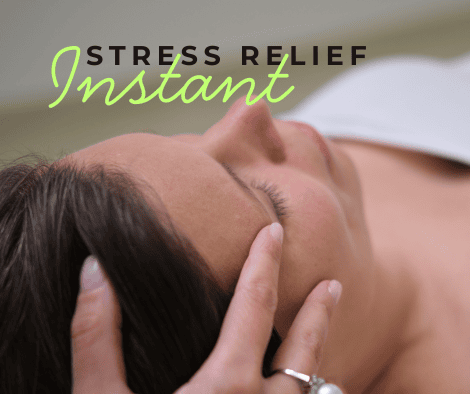
I'm not going to paint some mystical picture here. You lie on a comfortable table. I place my hands lightly on specific points on your head. That's it.
Some people fall asleep. Others stay wide awake and think about random stuff. A few have emotional releases, not dramatic sobbing, more like finally letting out a breath you didn't know you were holding.
Most people just feel deeply relaxed in a way they haven't experienced since childhood.
The whole thing takes about an hour (my sessions are 75 minutes). You leave feeling lighter, clearer, and like someone just defragmented your brain.
The Results Clients Actually Get
After thirteen years of offering Access Bars, here are some of the things clients say.
Jenny, who runs a marketing agency, said, "I stopped waking up at 3 AM with my mind racing. Now, when problems come up, I can actually think clearly instead of just panicking."
David, a teacher with three kids: "I don't snap at my family anymore. It's like my automatic reactions have gone."
Lisa, who's going through a divorce: "I thought I'd be anxious forever. Now I can handle court dates and lawyer meetings without feeling like I'm going to throw up."
These aren't dramatic before-and-after stories. They're real shifts that happen when your nervous system finally gets to reset.
Why I Started Offering Access Bars
I added Access Bars to my practice because meditation wasn't helping the people who needed it most. The ones who were too wired, too anxious, too overwhelmed to sit still.
Now I watch chronically stressed people experience deep peace in a single session. Parents who haven't relaxed in years. Corporate folks whose minds never stop spinning. People who've tried everything and felt like failures because nothing worked.
They're not failures. They just needed a different approach.
If You're Ready to Try Something Different
I get it if you're sceptical. I was, too. But if meditation doesn't work for you and you've had enough of being stressed, maybe it's time to try something that doesn't require you to fight your own brain.
Access Bars isn't about believing or achieving or doing anything right. It's about giving your nervous system permission to rest. Lying down and letting go of whatever you're holding onto that's causing all the stress in the first place. And. You didn't have to fix anything, talk about it or work it out.
If you want to know more about how this works, book a session, or make contact, I'm happy to answer questions. There's no pressure, no sales pitch, just honest conversation about how the Access Bars might help.
Your stress doesn't have to be permanent. And you don't have to meditate your way out of it.

Jayne Micallef, Access Consciousness Bars Practitioner & Facilitator
For evidence-based information about stress and various management approaches, and comprehensive research and resources, visit.